




Appellate court denies citizenship for overseas-born kids of M'sian mums
The government succeeded in its appeal to deny citizenship to overseas-born children of Malaysian mothers and foreign fathers.
The Court of Appeal today overturned the 2021 landmark Kuala Lumpur High Court decision that Malaysian mothers have the same right as Malaysian fathers to confer citizenship by operation of law to children born overseas.
The government succeeded in its appeal to deny citizenship to overseas-born children of Malaysian mothers and foreign fathers.
The Court of Appeal today overturned the 2021 landmark Kuala Lumpur High Court decision that Malaysian mothers have the same right as Malaysian fathers to confer citizenship by operation of law to children born overseas.
In a two-one majority, the three-person bench chaired by judge Kamaludin Md Said allowed the appeal by the three appellants - the government, the home minister and the National Registration Department (NRD) director-general.
Kamaludin and bench member Azizah Nawawi made up the majority ruling, while another bench member S Nantha Balan delivered the dissenting decision to deny the government's appeal.
On Sept 9 last year, the High Court declared that children born overseas to Malaysian mothers and foreign fathers are automatically entitled to Malaysian citizenship.
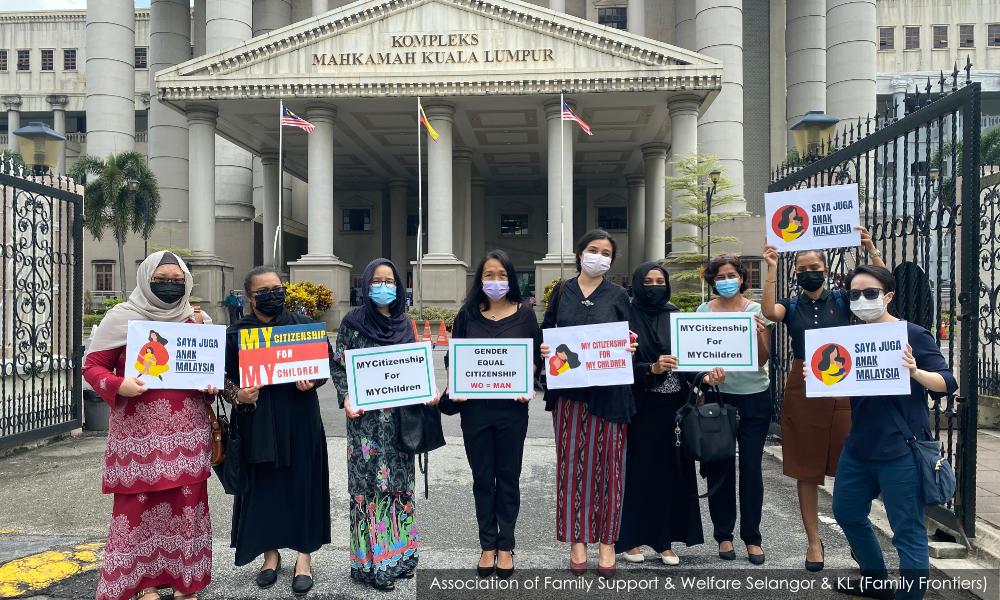
The respondents in the matter are six Malaysian mothers and family rights group Family Frontiers.
However, the appellate court made it clear that the citizenship already granted to the children of the six Malaysian mothers will remain, pending disposal of their appeal to the Federal Court.
The bench also informed parties that in relation to the status of citizenship application for other Malaysian mothers with foreign fathers of overseas-born children still pending before the NRD, such application would be 'frozen' pending disposal of the appeal before the apex court.
In reading out the majority ruling, Kamaludin said that the lower court had erred in equating the word father to also mean mother in a provision under Part II of the Second Schedule of the Federal Constitution read together with Article 14(1)(b) of the Constitution.
Article 14 deals with Malaysian citizenship by operation of law, while Part II of the Second Schedule is in relation to Malaysian citizenship by operation of law of persons born on or after Malaysia Day.
The provisions in Part II of the Second Schedule regarding children who are automatically citizens include “every person born outside the Federation whose father is at the time of the birth a citizen and either was born in the Federation or is at the time of the birth in the service of the Federation or of a state”.
Harmonious interpretation issue
The lower court had ruled that a harmonious reading of Article 8(2) of the Federal Constitution and read together Article 14(1)(b) as well as Part II of the Second Schedule, would show that Malaysian women (married to foreign men) have the same right as Malaysian men married to foreign women, to confer citizenship by operation of law on overseas-born children.
Article 8 deals with the fundamental right to equality before the law, with the provision's subparagraph two stating: "Except as expressly authorised by this Constitution, there shall be no discrimination against citizens on the ground only of religion, race, descent, place of birth or gender in any law or in the appointment to any office or employment under a public authority or in the administration of any law relating to the acquisition, holding or disposition of property or the establishing or carrying on of any trade, business, profession, vocation or employment.
Kamaludin said that the High Court disregarded the intent of the original framers of the Federal Constitution when only the word father was used in Part II of the Second Schedule.
Up to Parliament
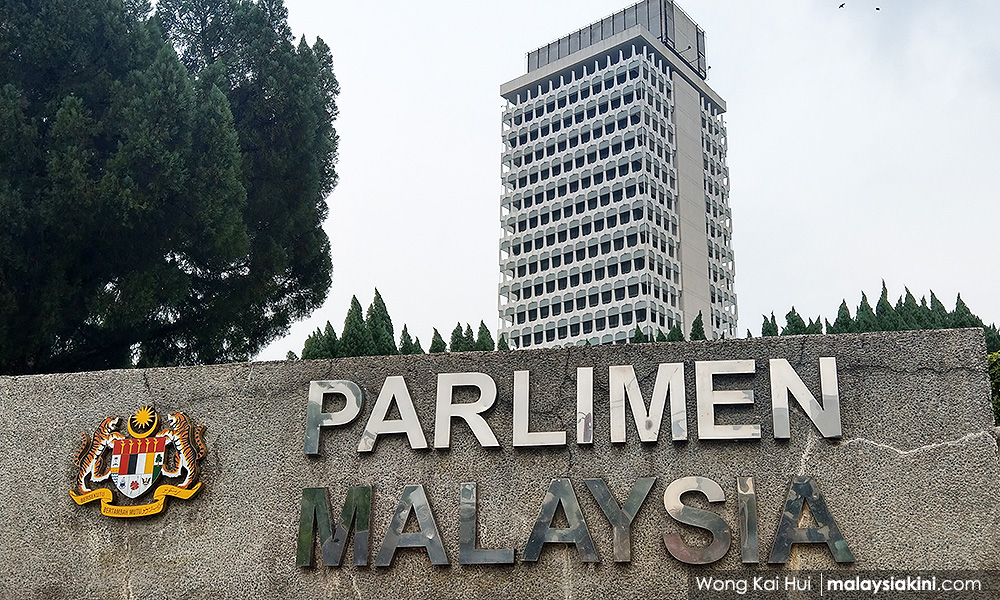
He said that it is up to Parliament to legislate any changes if needed to the Federal Constitution to address the issue of citizenship.
“There is no judicial supremacy in our Federal Constitution. The court cannot on its own rewrite the Federal Constitution as this would lead to absurdity.
“The (Malaysian) mothers can still make applications (to NRD) for citizenship for their (overseas-born) children,” Kamaludin added.
He noted that the main grievances are not against the existing law but instead the delay of the approving authority such as NRD in citizenship applications.
In his dissenting ruling, Nantha Balan said that the lower court’s harmonious interpretation of the issue is correct because the traditional interpretation of the citizenship clause shows a plain conflict as the bloodline of Malaysian mothers who are treated as inferior to that of Malaysian fathers.
“Any such conflict needs a constitutional interpretation (by the courts as the conflict arises from the principle that treated Malaysian mothers as inferior to Malaysian fathers.
“This is an indignity to Malaysian mothers and discriminatory to Malaysian mothers who marry foreigners,” he said.
“The (court’s) theory of constitutional interpretation is to prevent citizenship absurdity that results in discrimination, thus it (Federal Constitution) is to be read harmoniously to prevent discrimination on Malaysian mothers,” he added.
At the end of proceedings today, lawyer Gurdial Singh Nijar - who represented the six Malaysian mothers and Family Frontiers - said he has instruction to file an application for leave to appeal to the Federal Court.
Senior federal counsel Liew Horng Bin represented the government, the home minister and the NRD director-general.
The six Malaysian mothers and Family Frontiers initially filed their civil action at the High Court on Dec 18, 2020.
Mums will continue battle
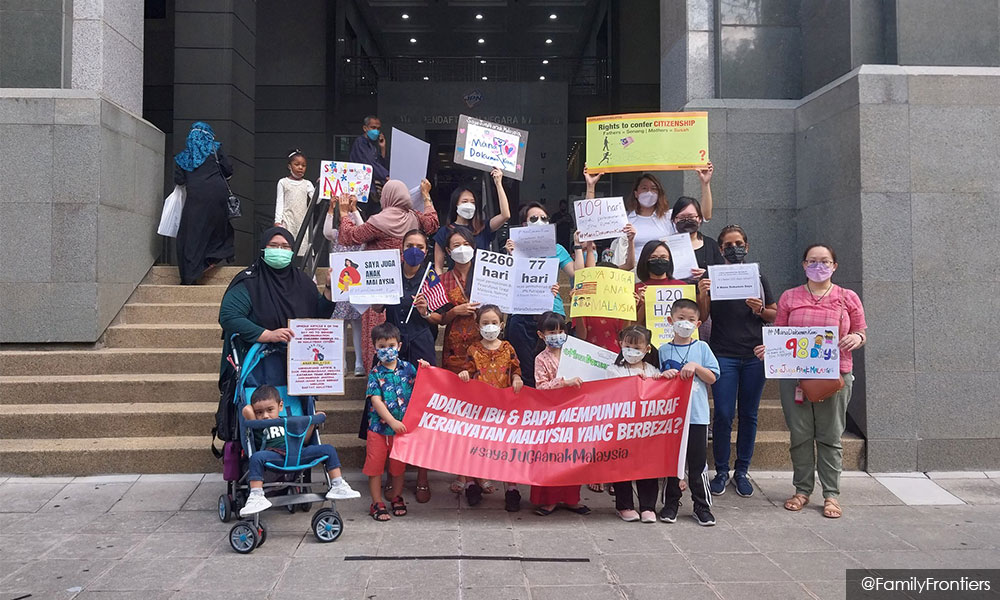
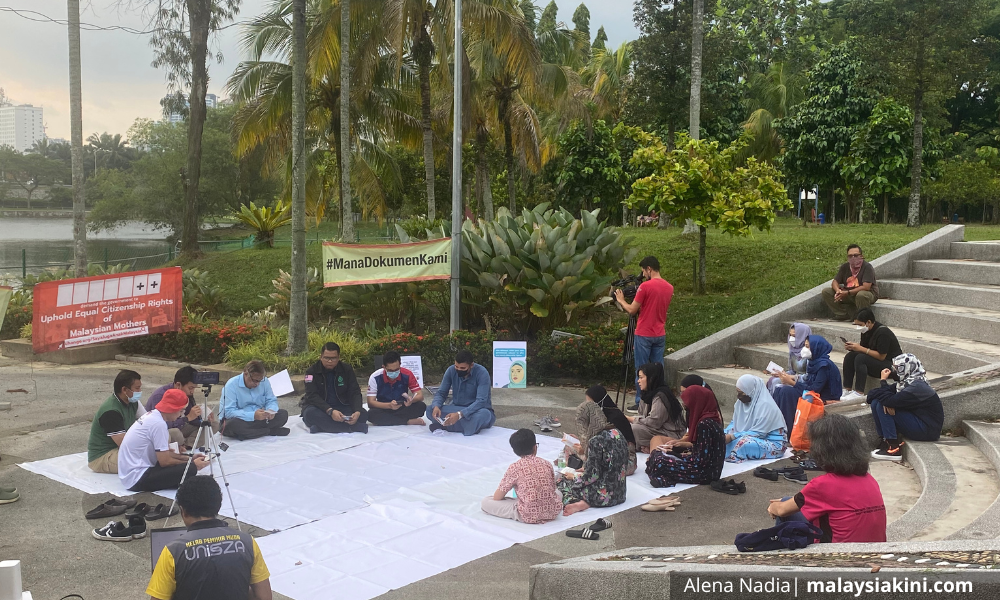
In a media statement this afternoon, Family Frontiers stressed that Malaysian mothers will not be deterred and will continue the fight before the apex court.
The group pointed out that for over 60 years Malaysian men have enjoyed the right to automatically pass down their citizenship to their overseas-born children, while Malaysian women and their children have unnecessarily suffered as a result of our nation’s gender-discriminatory citizenship laws, policies and practices.
It contended that the inability to confer citizenship on a child, on the basis of gender, is both disheartening and dehumanising because women and children are forced to endure prolonged hardships, including being trapped in abusive situations and facing unequal access to fundamental rights.

“Today’s decision is extremely disappointing, more so that our lives and the lives of our children continue to be affected by this devastating interpretation of the Federal Constitution that perpetuates gender discrimination.
“This is indeed a setback, but we will not be deterred. We will appeal this decision to the Federal Court, and continue to hold faith in our justice system.
“We stand firm in the belief that one day our government will see us, Malaysian women, as we see ourselves—as equal citizens, and that our children have just as much a right to be Malaysian as the children of Malaysian men,” the group quoted its president Suriani Kempe.





Are you sure you want to delete this comment?
This action cannot be undone.